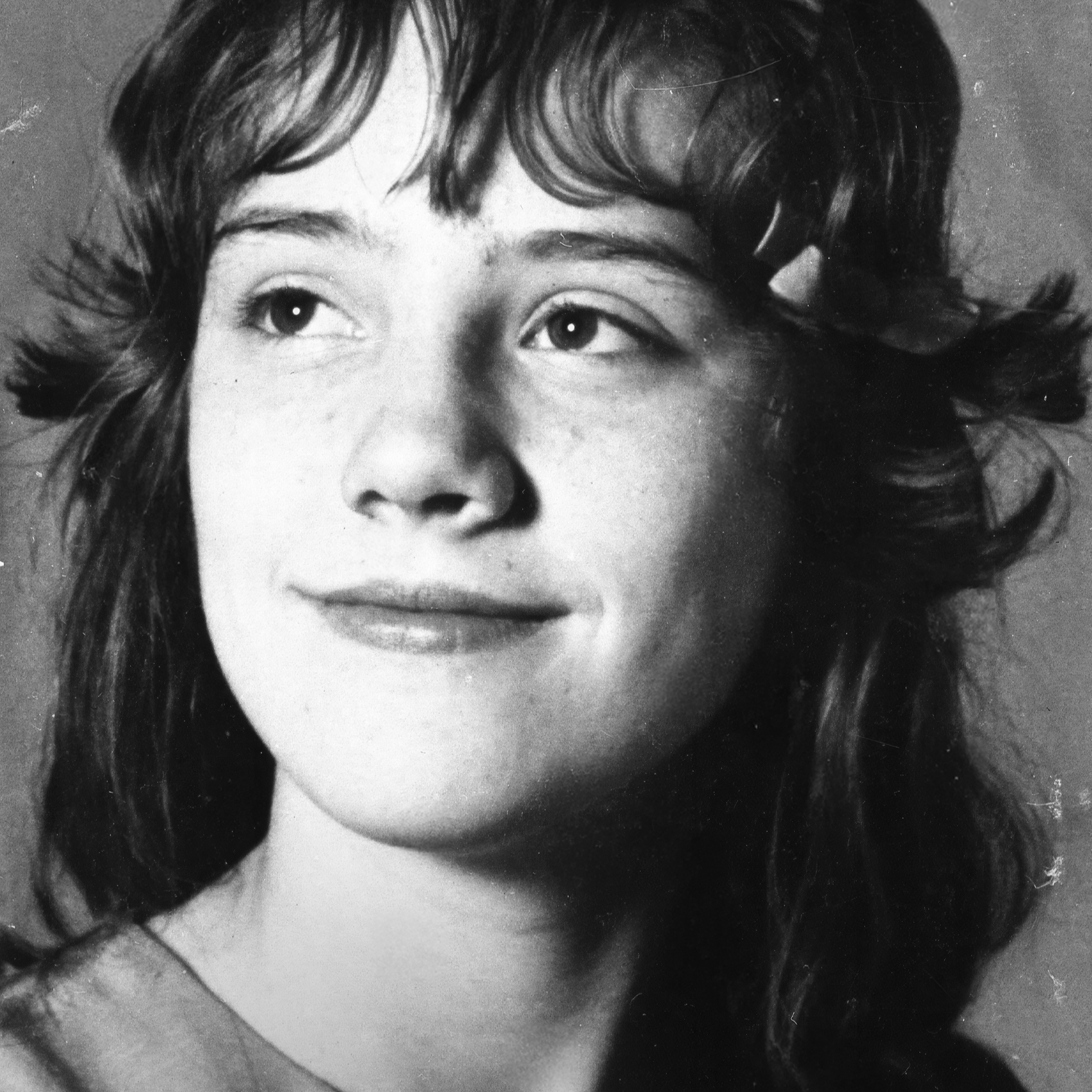
Synopsis
Sylvia tells the story of Sylvia Likens, a sixteen-year-old girl who, in 1965, was murdered in Indianapolis, Indiana after enduring months of abuse. Carried out in close proximity to those who could hear and see what was happening, the crime led the state of Indiana to adopt laws making all citizens, not just professionals, mandated reporters of suspected child abuse. Sixty years later, the film explores Sylvia’s humanity and the events surrounding her death through the testimony of Sheila, her best friend in high school, as well as others connected to her story. An examination of trauma, friendship, silence, and community.
Credits

A Film by Blackbird Pictures Directed by Ashton Gleckman Produced by Sam Mirpoorian, Amy Pauszek, and Andie Redwine Associate Producers Ami Susan Petrucelli, Patti Krieg, Angie Hogston, and Samantha Maynard Cinematography by Jan Barszczewski Original Music by Ashton Gleckman Fiscal Sponsorship Partners One Race Human Race Foundation Featuring Sheila Jane Johnson Wells
About Sylvia
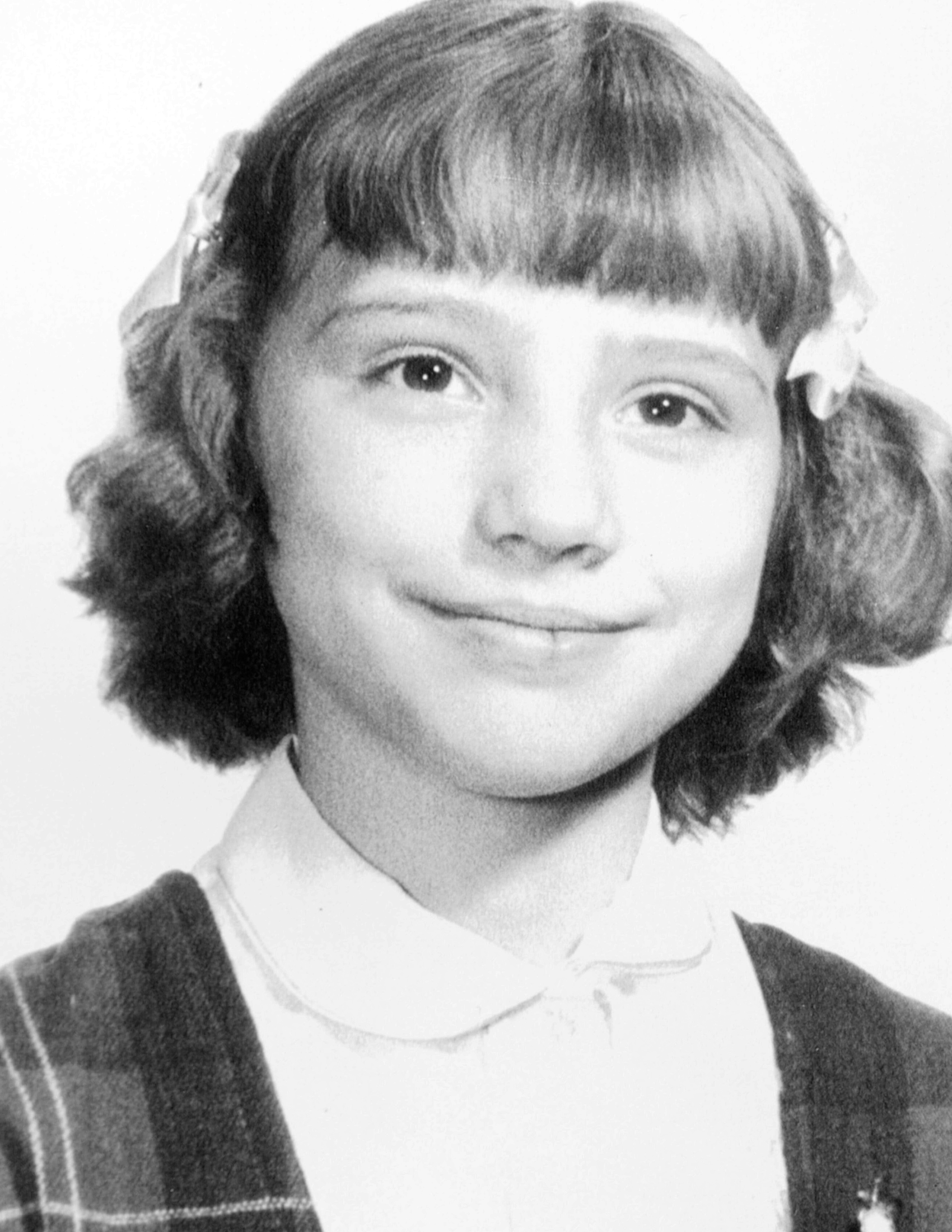
Sylvia Likens was born on January 3, 1949, in Lebanon, Indiana. The middle of five children, she was especially close to her younger sister, Jenny, who she often protected as their family moved frequently between homes and schools.
In 1965 when she was sixteen, Sylvia and Jenny were left in the care of Gertrude Baniszewski while their parents worked the traveling carnival circuit. What followed between July and October 1965 would become one of the most devastating cases of child abuse in state history.
On October 26, 1965, police were called to the home at 3850 E. New York Street and discovered Sylvia unresponsive with wounds covering her body. Gertrude Baniszewski, several of her children, and neighborhood youths were later convicted for their roles in Sylvia’s torture and death during the trial which started in April 1966. The case had a lasting impact on Indiana law, which continues to echo today.
A core reality of the case: neighbors, classmates, and adults in the community were aware that something was wrong, yet no one intervened.
Sylvia’s story shook a community and continues to serve as a reminder of the responsibility we share to protect one another in our communities. Today, her legacy lives on through the work of organizations like the Sylvia’s Child Advocacy Center in her hometown, helping hundreds of children in need.
As her classmate Juli Gorman remembered, “She was always happy. She was always smiling. That’s how I remember her, who she was.”